
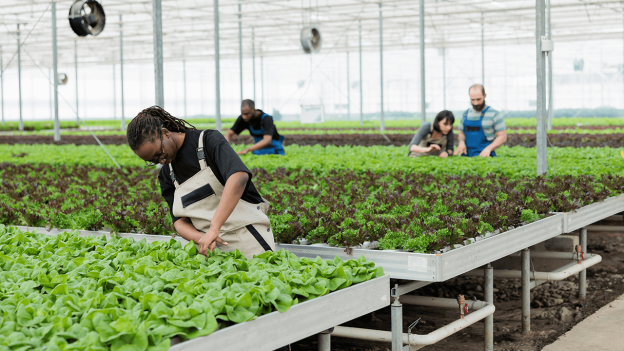
In the evolving world of hydroponic gardening, peat has emerged as a crucial component for cultivating healthy plants without soil. Peat hydroponics, an innovative method that leverages the natural properties of peat, offers a multitude of benefits for both novice and experienced growers. This blog delves into the essentials of peat hydroponics, exploring its advantages, applications, and techniques to help you harness its full potential.
Understanding Peat Hydroponics
Peat hydroponics involves the use of peat as a growing medium in hydroponic systems. Peat, a natural material formed from partially decomposed plant matter in waterlogged conditions, is renowned for its exceptional water retention and aeration properties. In hydroponics, where plants grow in a nutrient-rich water solution rather than soil, peat serves as an effective medium to support plant roots, delivering both water and nutrients efficiently.
The primary appeal of peat hydroponics lies in its ability to maintain an optimal balance of moisture and air around plant roots. This balance is crucial for plant health, as it prevents overwatering while ensuring that roots receive adequate oxygen. As a result, plants in peat-based hydroponic systems often exhibit robust growth and high yields. To know more about Peat Hydroponics visit https://www.riococo.com/how-to-buffer-coco-coir/
.jpg)
Benefits of Using Peat in Hydroponic Systems
- Superior Water Retention: One of peat’s standout features is its excellent water retention capacity. It can hold up to 20 times its weight in water, which helps maintain consistent moisture levels for plant roots. This quality is especially beneficial in hydroponic systems, where precise moisture control is vital for healthy plant development.
- Effective Nutrient Delivery: Peat provides a stable environment for nutrient delivery. It has a high cation exchange capacity (CEC), meaning it can hold and release essential nutrients to plant roots as needed. This ensures that plants receive a steady supply of nutrients without the risk of leaching, which can occur in other growing mediums.
- Enhanced Aeration: Peat’s fibrous structure promotes excellent aeration, preventing root suffocation and promoting healthy root growth. Proper aeration is crucial in hydroponic systems, as it helps prevent root diseases and ensures efficient nutrient uptake.
- pH Stability: Peat tends to maintain a stable pH level, which is beneficial for hydroponic systems. Most plants thrive in a slightly acidic to neutral pH range, and peat helps maintain this balance, reducing the need for frequent pH adjustments.
- Sustainability and Decomposition: Peat is a renewable resource when harvested responsibly. It decomposes slowly, providing long-term benefits as a growing medium. However, it’s essential to source peat from sustainable suppliers to minimize environmental impact.
Techniques for Using Peat in Hydroponic Systems
- Choosing the Right Type of Peat: There are various types of peat available, including sphagnum peat moss and bog peat. Sphagnum peat moss is the most commonly used in hydroponics due to its superior water retention and aeration properties. Ensure that the peat you choose is well-suited for hydroponic use and free of contaminants.
- Preparing Peat for Hydroponics: Before using peat in your hydroponic system, it’s crucial to prepare it properly. Start by soaking the peat in water to rehydrate it and improve its water retention capacity. Once hydrated, drain excess water to achieve the desired moisture level. It’s also a good idea to mix the peat with other components, such as perlite or vermiculite, to enhance aeration and drainage.
- Setting Up the Hydroponic System: Peat can be used in various hydroponic systems, including nutrient film technique (NFT), deep water culture (DWC), and drip systems. For NFT and DWC systems, peat is typically used as a medium in net pots or trays, while in drip systems, it can be used in combination with other media to create a balanced growing environment.
- Monitoring and Maintenance: Regular monitoring is essential to ensure optimal conditions for plant growth. Check moisture levels frequently and adjust as needed. Maintain proper nutrient levels and pH balance to prevent nutrient imbalances or deficiencies. Additionally, inspect the peat regularly for signs of compaction or degradation and replace it as necessary.
- Harvesting and Replacing Peat: Over time, peat may degrade or lose its effectiveness. It’s important to monitor the condition of the peat and replace it when it becomes compacted or less effective. Harvesting plants and replacing the peat helps maintain a healthy growing environment and ensures continued success in your hydroponic system.
Applications and Future Prospects
Peat hydroponics is widely used in various applications, from home gardening to commercial agriculture. Its versatility makes it suitable for growing a wide range of plants, including vegetables, herbs, and flowers. As the demand for sustainable and efficient growing methods increases, peat hydroponics continues to gain popularity among growers seeking to optimize plant growth and yield.
Looking ahead, advancements in peat hydroponics are likely to focus on improving sustainability and minimizing environmental impact. Researchers and growers are exploring alternative sources of peat, such as recycled or synthesized materials, to reduce reliance on natural peat bogs. Additionally, innovations in hydroponic technology may lead to more efficient use of peat and enhanced growing techniques.
Conclusion
Peat hydroponics offers a reliable and effective solution for growing healthy plants without soil. Its exceptional water retention, nutrient delivery, and aeration properties make it an ideal medium for hydroponic systems. By understanding the benefits and techniques of peat hydroponics, you can optimize your growing practices and achieve impressive results. Whether you’re a hobbyist or a commercial grower, incorporating peat into your hydroponic system can elevate your gardening experience and contribute to successful plant growth.