
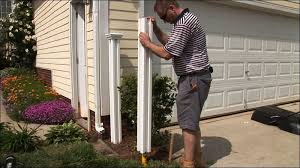
Installing a fence can improve the security, privacy, and aesthetics of your property. Whether you’re looking to enclose your backyard, create a decorative boundary, or keep pets and children safe, this beginner’s guide will walk you through the process step by step.
Step 1: Choose the Right Type of Fence
Before beginning installation, decide on the type of fence that best suits your needs. Common fencing options include:
-
Wooden fences – Provide privacy and a classic look.
-
Vinyl fences – Durable and low maintenance.
-
Chain-link fences – Affordable and great for security.
-
Metal fences (Aluminum or Wrought Iron) – Elegant and strong.
-
Composite fences – A mix of wood and plastic, offering durability with a wood-like appearance.
Step 2: Gather Tools and Materials
You’ll need the following tools and materials:
-
Fence panels or individual boards
-
Fence posts
-
Quick-set concrete
-
Measuring tape
-
Level
-
Post-hole digger or auger
-
String and stakes
-
Hammer or drill
-
Screws or nails
Step 3: Plan and Mark Your Fence Line
-
Check Local Regulations – Many areas have rules regarding fence height, material, and property lines. Obtain permits if needed.
-
Mark the Layout – Use stakes and string to outline where your fence will be installed.
-
Measure Post Spacing – Standard spacing is usually 6 to 8 feet apart, depending on the type of fence.
Step 4: Dig and Set Fence Posts
-
Dig Holes – Use a post-hole digger or power auger to dig holes approximately 1/3 of the post height deep (e.g., for a 6-foot fence, dig 2-foot deep holes).
-
Add Gravel for Drainage – Pour a few inches of gravel into each hole to improve drainage and prevent rotting.
-
Set the Posts – Position the fence post, then pour quick-set concrete around it. Ensure it’s level and allow it to dry for at least 24 hours.click here to visit Fencing Sunshine Coast
Step 5: Install Fence Panels or Boards
-
Attach Fence Panels – For pre-made panels, use screws or nails to secure them between the posts.
-
Install Individual Boards – If building a wooden fence from scratch, attach boards one by one with equal spacing. Use a level to ensure they are straight.
-
Secure with Brackets – For chain-link or metal fencing, attach the fence material to posts using brackets or clips.
Step 6: Finishing Touches
-
Check for Stability – Shake each post to ensure it is secure.
-
Paint or Stain – If using wood, apply paint or stain to protect against weather damage.
-
Install Gates – If your fence includes a gate, ensure it swings freely and has a secure latch.
Conclusion
By following these steps, you can install a fence that enhances your property’s security and appearance. With careful planning and the right tools, even beginners can achieve a professional-looking result.