
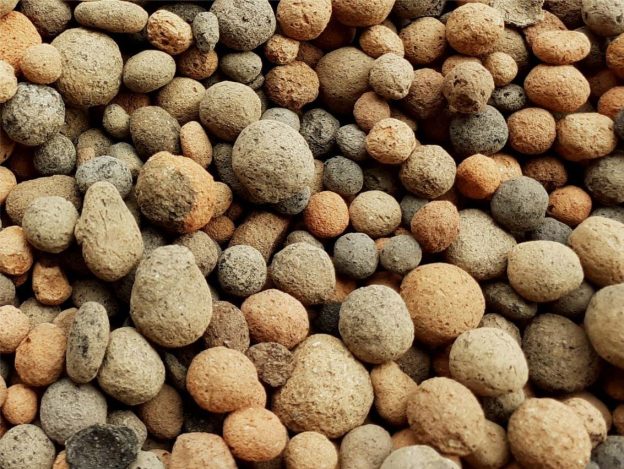
Clay pebbles, also known as hydroton or expanded clay aggregate (ECA), are a widely used hydroponic substrate valued for their excellent aeration, drainage, and reusability. These small, round, lightweight balls are made from expanded clay and provide an ideal environment for plant roots to thrive. In this 800-word blog post, we’ll delve into the characteristics of clay pebbles, their advantages in hydroponics, and how to effectively use them in your hydroponic system. For more information regarding hydroponic plant one can visit our site https://hydroponicglobal.com.au/.
Understanding Clay Pebbles:
Clay pebbles are manufactured by heating clay at high temperatures, causing it to expand and take on a porous, lightweight structure. The resulting pebbles are highly porous and provide ample space for air and water to circulate around plant roots.
Advantages of Using Clay Pebbles in Hydroponics:
1. Excellent Aeration: Clay pebbles offer exceptional aeration to plant roots, ensuring an oxygen-rich environment for healthy root growth.
2. Efficient Drainage: Their porous nature allows excess water to drain away, preventing waterlogged roots and root rot.
3. pH Neutral: Clay pebbles have a neutral pH, which makes them compatible with a wide range of plants and allows for better control of your nutrient solution’s pH levels.
4. Reusable: Clay pebbles can be cleaned and sterilized for reuse in multiple growing cycles, making them an environmentally friendly choice.
5. Lightweight: They are lightweight and easy to handle, which is advantageous for transportation and setup in hydroponic systems.
6. Versatile: Clay pebbles can be used in various hydroponic systems, including deep-water culture, flood and drain, and drip systems.
Using Clay Pebbles in Hydroponics:
Here’s how to effectively use clay pebbles in your hydroponic system:
1. Prepare the Growing Medium:
– If you’re using pure clay pebbles, rinse them thoroughly to remove dust and fine particles. It’s crucial to maintain a clean and sterile environment.
2. Container or Hydroponic System:
– Fill your containers or hydroponic system with the clay pebbles. Ensure proper drainage to prevent waterlogging.
3. Planting:
– Plant your hydroponic crops as you would in soil, ensuring the roots have good contact with the clay pebbles. Follow recommended spacing and planting guidelines for your specific crop.
4. Irrigation:
– Adjust your irrigation schedule based on your crop’s requirements. Clay pebbles drain well but also retain moisture, so tailor your watering to maintain optimal moisture levels.
5. Nutrient Solution:
– Maintain your nutrient solution at the appropriate pH and EC levels. The neutral pH of clay pebbles allows for better control over your nutrient solution’s pH.
6. Monitoring:
– Regularly check the moisture levels in the clay pebbles and ensure your plants are neither waterlogged nor dehydrated.
Tips for Using Clay Pebbles:
– Consider using a layer of fabric or plastic mesh at the bottom of your containers to prevent clay pebbles from falling through drainage holes.
– Be cautious when handling clay pebbles, as they can be dusty. Wearing a mask and gloves is recommended to avoid inhaling dust particles.
– To reuse clay pebbles, clean and sterilize them by soaking in a diluted bleach solution or hydrogen peroxide and then rinsing thoroughly.
Conclusion:
Clay pebbles are a versatile and reliable hydroponic substrate known for their excellent aeration, drainage, and reusability. They provide an ideal environment for plant roots to thrive and are suitable for a wide range of hydroponic systems and crops. By maintaining proper irrigation and nutrient levels and ensuring a clean and sterile environment, you can harness the advantages of clay pebbles to achieve healthy and vigorous plant growth in your hydroponic garden.