
Ensuring adequate knee clearance is crucial in creating an accessible environment for individuals with disabilities. The Americans with Disabilities Act (ADA) sets guidelines for the minimum amount of space required to accommodate wheelchairs and other mobility devices, including the provision of sufficient knee clearance under tables, counters, and other surfaces.
By understanding and implementing the ADA standards for knee clearance, businesses, public facilities, and private residences can improve accessibility and inclusivity for individuals with disabilities. This article will explore the specific requirements outlined by the ADA for knee clearance, as well as offer practical tips and solutions for ensuring compliance in various settings.
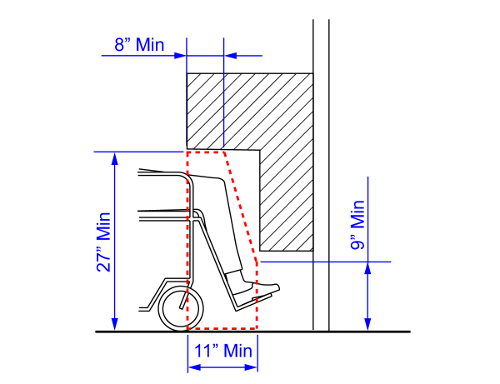
Understanding ADA Standards for Knee Clearance
In order to comply with the Americans with Disabilities Act (ADA) guidelines, it is essential to understand the specific requirements for knee clearance. ADA standards stipulate that there should be a minimum of 27 inches of vertical clearance under tables, counters, desks, and other surfaces to accommodate individuals who use wheelchairs or other mobility devices. This ensures that people with disabilities can comfortably sit at various surfaces without feeling restricted or unable to fully access the space provided. For more detailed information on ADA guidelines for knee clearance, you can refer to resources such as knee clearance ada.
Implementing these ADA standards not only ensures legal compliance but also fosters a more inclusive environment for individuals with disabilities. Businesses, public facilities, and residential spaces can benefit from adhering to these guidelines by ensuring that everyone, regardless of their physical abilities, can navigate and utilize different areas comfortably. By considering the needs of individuals with disabilities in the design and layout of spaces, we can promote accessibility and equality for all members of our community.
Ensuring adequate knee clearance is not just a matter of meeting legal requirements – it is about creating environments that are welcoming and inclusive for all individuals. By understanding and implementing the ADA standards for knee clearance, we can make significant strides towards breaking down barriers and fostering equality for people with disabilities. By prioritizing accessibility in our design choices and everyday practices, we can create spaces that are truly accessible to everyone, regardless of their physical abilities. Let’s commit to making our world a more inclusive place for all.