
Hazardous waste disposal is a critical issue that requires immediate attention due to its potential detrimental impacts on human health and the environment. With the rapid industrialization and technological advancements, the generation of hazardous wastes has significantly increased, posing a serious threat to our ecosystems. These wastes consist of various toxic chemicals, radioactive materials, and other harmful substances that can cause severe pollution, contamination, and long-term damage if not managed and disposed of properly.
The improper disposal of hazardous waste can lead to soil and water contamination, air pollution, and even adverse health effects for both humans and wildlife. It is essential to understand the different types of hazardous waste and the potential hazards they pose in order to develop effective strategies for their safe disposal. This article aims to provide an in-depth analysis of hazardous waste disposal practices, including the regulations and guidelines established by authorities to ensure the proper handling, treatment, storage, transportation, and disposal of hazardous waste materials. By understanding the complexities of this issue and implementing appropriate waste management practices, we can minimize the risks associated with hazardous waste disposal and protect our environment for future generations.
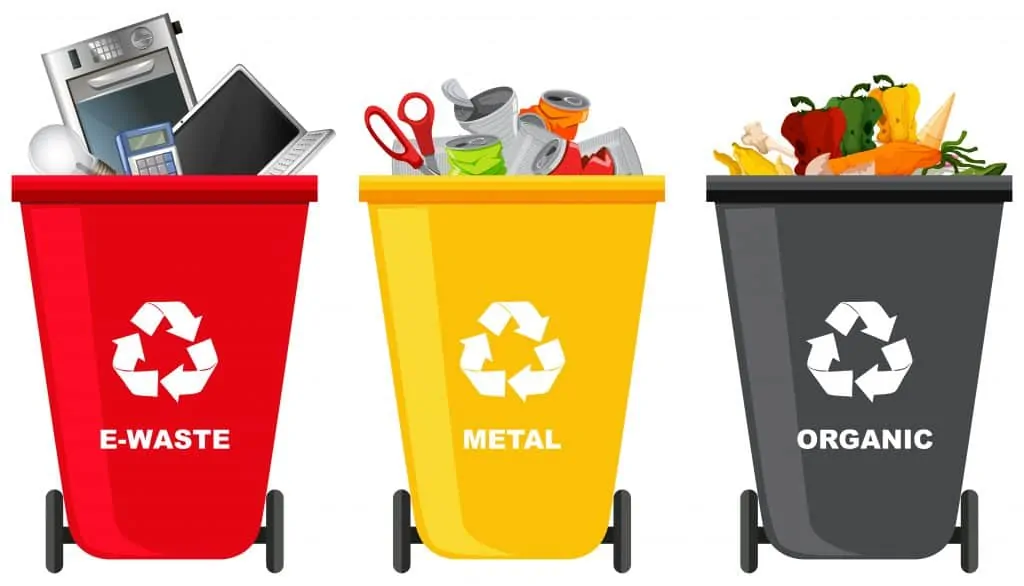
Proper Management of Hazardous Waste
Proper management of hazardous waste is crucial to prevent its harmful effects on the environment and human health. Effective strategies for the safe disposal of hazardous waste include the implementation of regulations and guidelines established by authorities. These regulations ensure that hazardous waste is handled, treated, stored, transported, and disposed of in a manner that minimizes the risks associated with its disposal.
An important aspect of hazardous waste management is the use of specialized services such as Medical waste disposal Gainesville. These services play a vital role in the proper disposal of medical waste, which is one type of hazardous waste that requires specific handling and treatment methods. Medical waste includes materials such as used syringes, contaminated gloves, and expired medications, which can pose a significant risk to both the environment and public health if not disposed of correctly.
In addition to regulations and specialized services, proper management of hazardous waste also involves the implementation of waste reduction and recycling programs. By reducing the generation of hazardous waste and finding ways to recycle and reuse materials, we can minimize the need for disposal and reduce the overall environmental impact. Education and awareness programs are also essential in promoting responsible waste management practices among industries, businesses, and individuals.
It is important for governments, organizations, and individuals to prioritize the safe handling and disposal of hazardous waste. By implementing effective waste management practices, we can minimize pollution, protect ecosystems, and safeguard human health. The proper management of hazardous waste is not only a responsibility we have towards our environment but also a necessity to ensure a sustainable future for generations to come.